
Reorganisation, new software, growth, the arrival of AI, changing jobs or management: sooner or later, every SME has to change. And business leaders often hear the same phrase: “the team is resisting”. Before trying to overcome that resistance, there is a far more useful question: what do we absolutely not want to lose along the way?
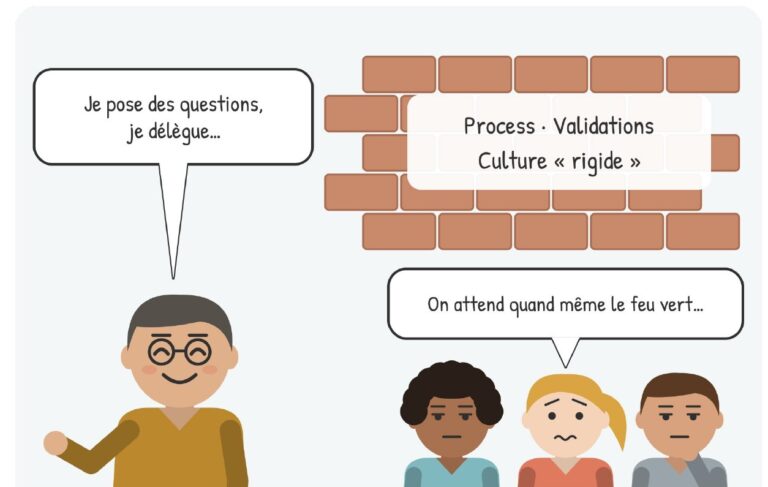
People don't resist change
This is the starting point of SteadyChange, the change management approach created by Patrice Fornalik, of which I am Lead Ambassador. The title of his book sums it up: Resistance to change does not exist! People do not resist change itself. They resist the perceived threat to the landmarks that hold the group together.
In an SME, these landmarks are rarely written down. They live in habits, in the way people work together, in what the team considers to be “our way of doing things”. A change carried out without seeing them can damage them unintentionally. That is often the moment when the team disengages.
The Core Essentials: what must remain true
The heart of the approach comes down to two notions:
- the Essentials (Core Essentials): what must remain true for the group to keep fulfilling its mission without betraying itself. They change slowly;
- the Vigilance Points : the concrete, observable expression of these Essentials in a given context. They change quickly, in contact with the field.
This distinction separates substance from form. You can change tools, organisation or processes, provided you show that the substance is protected. That is what makes change far more acceptable: you change with the culture, not against it.
Bringing them to light in a single session
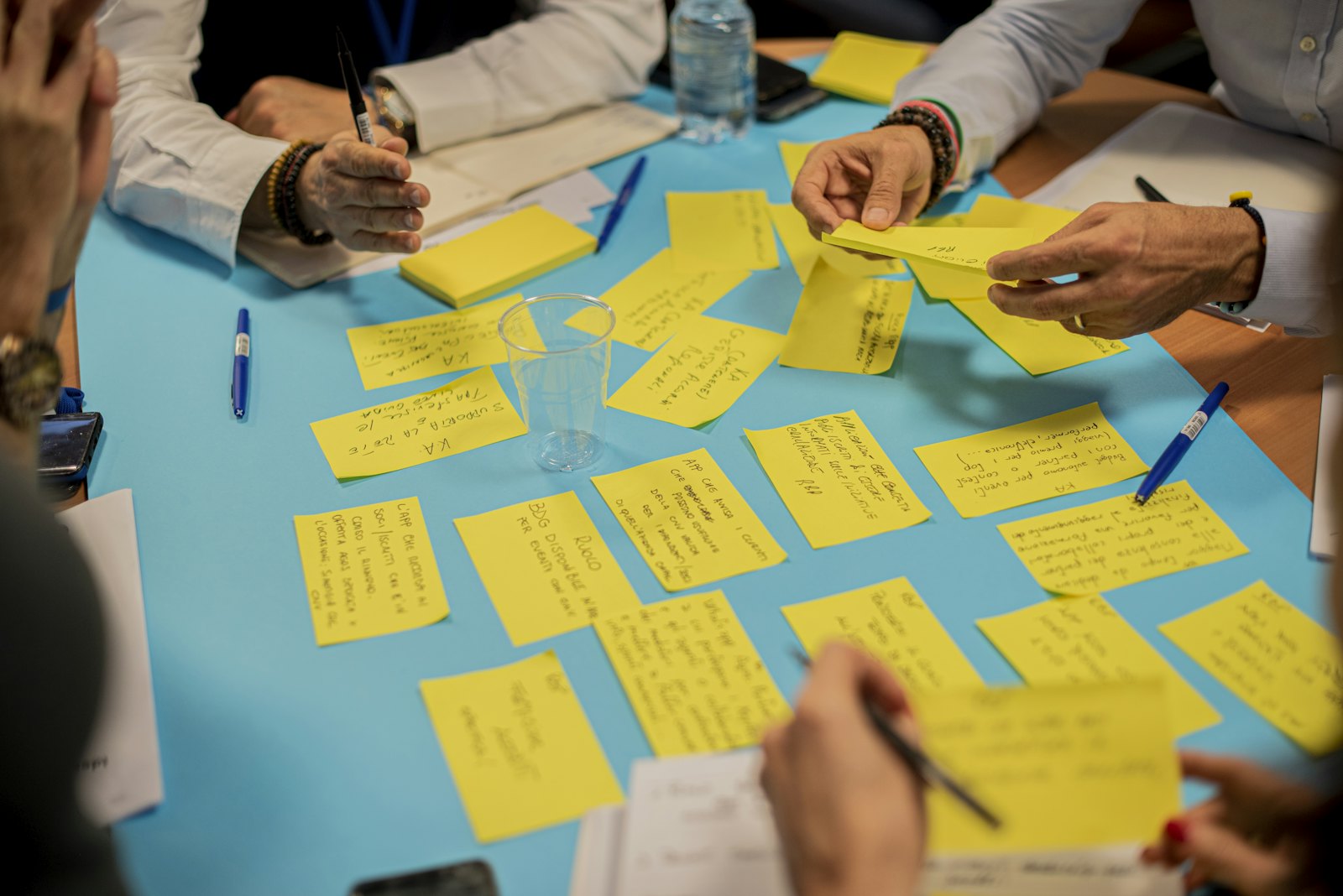
The approach is frugal and can be tested in a single session. In a large industrial group undergoing a transformation of its ways of working, Patrice and I ran a one-and-a-half-hour “Essentials and Vigilance Points” workshop:
- time for individual reflection: what do I absolutely not want to lose?
- work in sub-groups to compare the answers;
- the group's choice of three Essentials;
- their translation into first concrete Vigilance Points.
For the group, the workshop was first of all an eye-opener: putting words on what really matters. These Essentials then became a shared reference point for making decisions. Decisions were better informed, faster and better aligned, priorities clearer, with fewer U-turns. In the end, the transformation was better adopted and the team performed better. A short format can thus serve as the backbone of a wider transformation.
What it changes for the business leader
- Simpler choices: each option is tested against the Essentials you have chosen.
- A team that sees the essentials are preserved, and is more willing to let the rest evolve.
- Observable Vigilance Points, tracked over time, rather than good intentions.
- Resistance treated as information, not as an obstacle.
This approach echoes my practice as a coach: starting from what already works, as proposed byAppreciative Inquiry. To go further, SteadyChange structures the approach around five compasses (Define, Translate, Embody, Act, Regulate) and offers a test of 16 cultural profiles on steadychange.org.
Change management support in Montauban
Based in Montauban, I support business leaders and managers of SMEs in Tarn-et-Garonne, Toulouse and beyond through their changes: reorganisation, AI transformation, changing jobs or management. I work on site anywhere in France, or by video call.
Are you preparing a change and want to know what you absolutely must not break? Let's start with a free team diagnostic lasting one hour, on site or by video call, or write to me.