
Changing an organisation’s culture: mission impossible?
A look back at my talk at Agile Tour Toulouse 2024
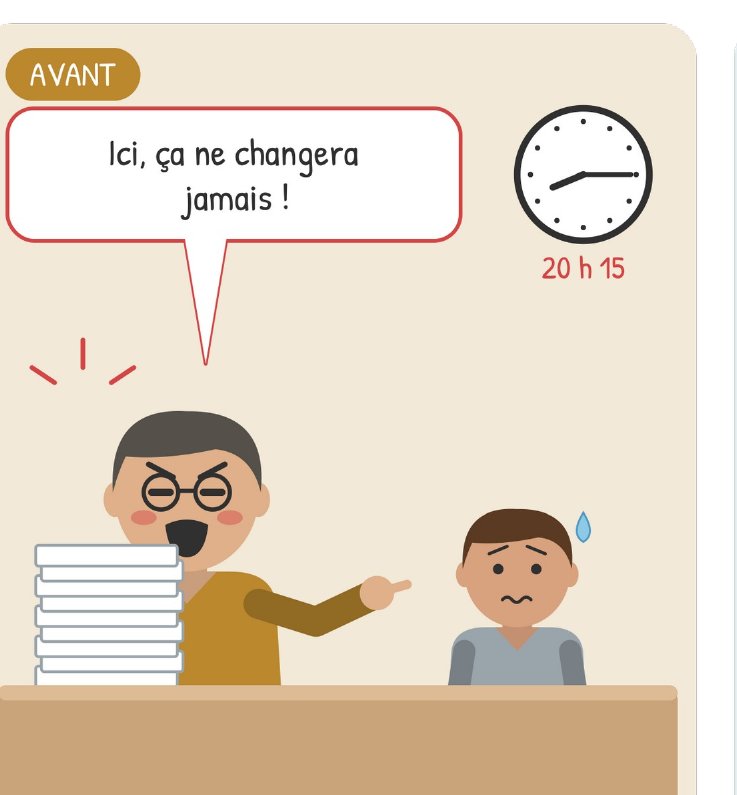
When we talk about agile transformation, one word keeps coming back: culture.
And for good reason. According to the 14th annual State of Agile report by Digital.ai, the main obstacles to adopting agility are still linked to organisational culture: resistance to change, lack of management support, or contradictions between existing practices and agile values.
In other words: culture is at the heart of the problem… and often of the solution.
But then a question arises:
👉 Can you really change an organisation’s culture?
Culture: what actually happens in the organisation
We talk a lot about culture, but what exactly are we talking about?
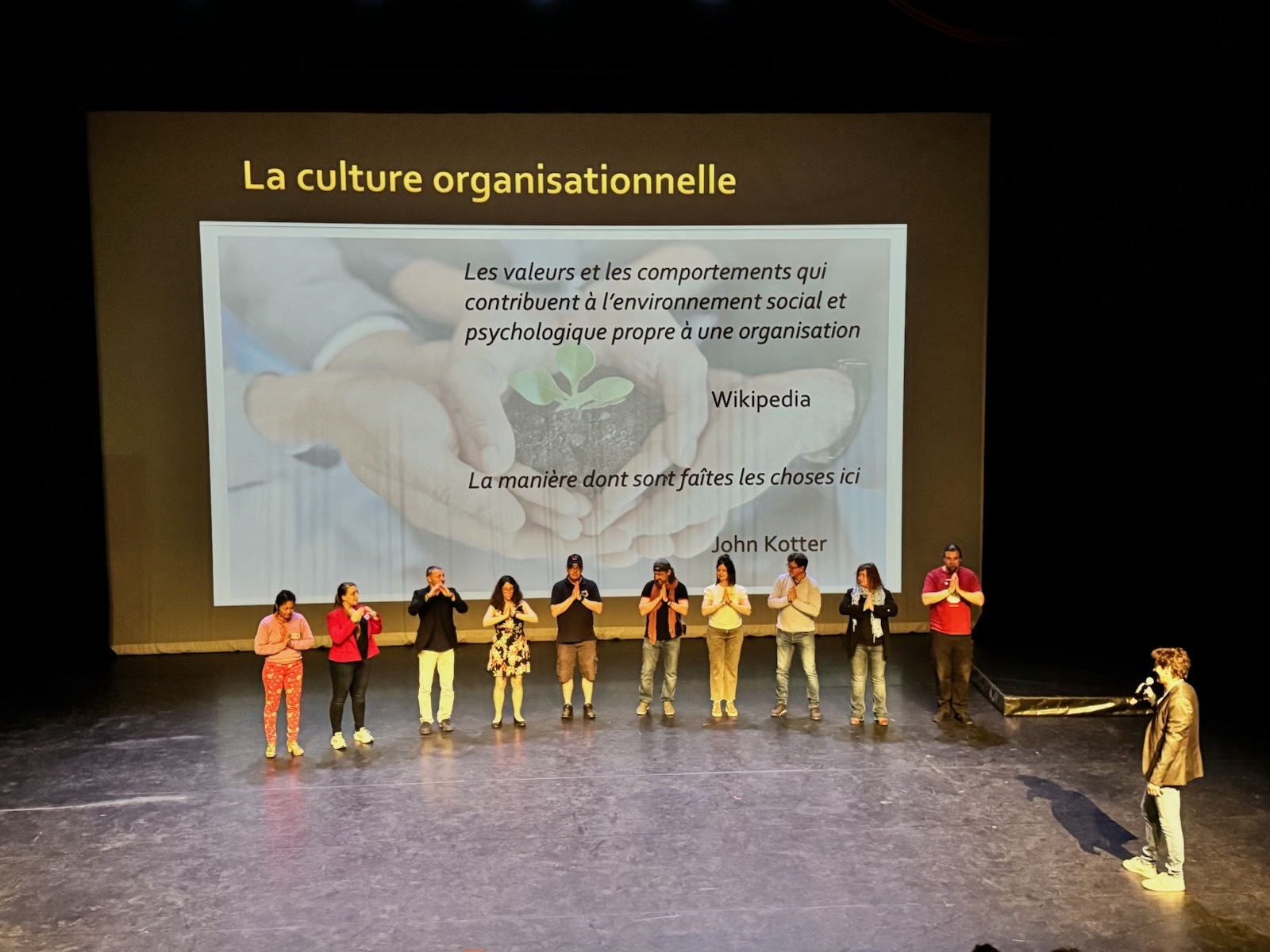
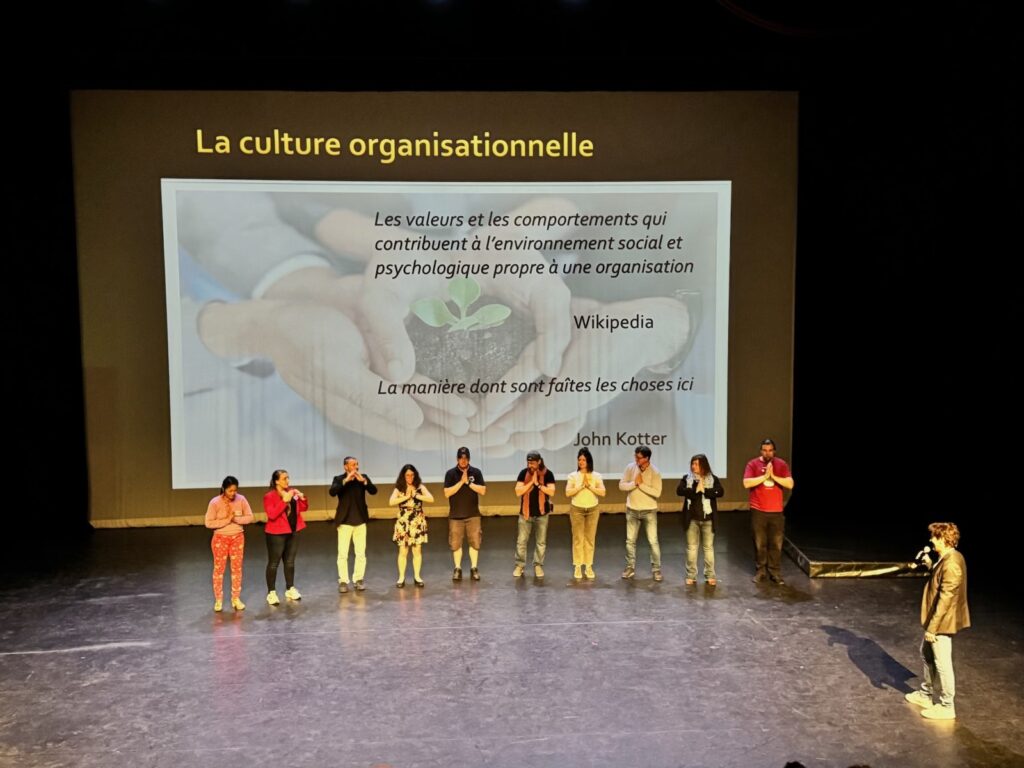
Organisational culture can be defined as:
“The values and behaviours that contribute to the social and psychological environment of an organisation.”
John Kotter puts it more directly:
“The way things are done around here.”
Culture cannot be decreed.
It emerges from everyday practices.
That is why one essential idea is often counter-intuitive:
Culture changes at the end of a transformation, not at the beginning.
It evolves once new ways of working have been put in place and have proven effective for some time.
In other words:
you do not change the culture in order to change practices.
You change practices…
and and the culture follows.
Understanding cultures: the map of the 9 cultural soils
To support organisations, I use an interpretive framework called the map of the 9 cultural soils.
It lets you observe an organisation along several dimensions:
- Acting
- Communicating
- Managing
- Innovating
Each combination reflects a type of culture.
For example:
Collaborative culture
- acting as a community
- transparency and smooth communication
- supportive management
- shared innovation
Hierarchical culture
- centralised decisions
- filtered information
- very operational management
- limited innovation
Procedural culture
- strong formalisation
- documentation everywhere
- dominant organisational structure
- tightly controlled innovation
The aim is not to say that a culture is good or bad.
But to make visible what actually structures the organisation.
Cultural change cannot be decreed
In agile transformations, you often hear:
“We need to change the culture.”
But that remains an abstract intention.
The reality is different:
- teams work under real constraints
- managers have targets to meet
- processes are embedded in the organisation.
That is why successful transformations go through a cultural design process.
In other words:
you experiment with new ways of working, observe their effects, and adjust.
Culture evolves gradually, as these practices become the norm.
What organisations say after a transformation
During a transformation assignment, several signs often appear:
- “Technical documentation has become more accessible”
- “Management is more about support than control”
- “We listen more to ideas from other teams”
- “Some communication now happens directly between teams”
But tensions remain:
- silos do not disappear completely
- information can remain filtered
- some people keep asking for detailed schedules
And that is normal.
A cultural transformation is a living process, not a project with an end date.
Measuring culture: the Westrum model
Another useful tool is Westrum’s model of organisational culture, which assesses several dimensions:
- information sharing
- attitude towards mistakes
- collective responsibility
- cross-functional collaboration
- learning capacity
- openness to new ideas
Each dimension can be rated on a scale, which makes it possible to track how an organisation evolves over time.
This kind of approach moves beyond gut feeling to objectively measure cultural progress.
Cultural change is systemic
Ultimately, transforming a culture is not an isolated HR or agile project.
It is a systemic change.
It involves:
- management practices
- processes
- the flow of information
- decision-making methods
- collaboration between teams.
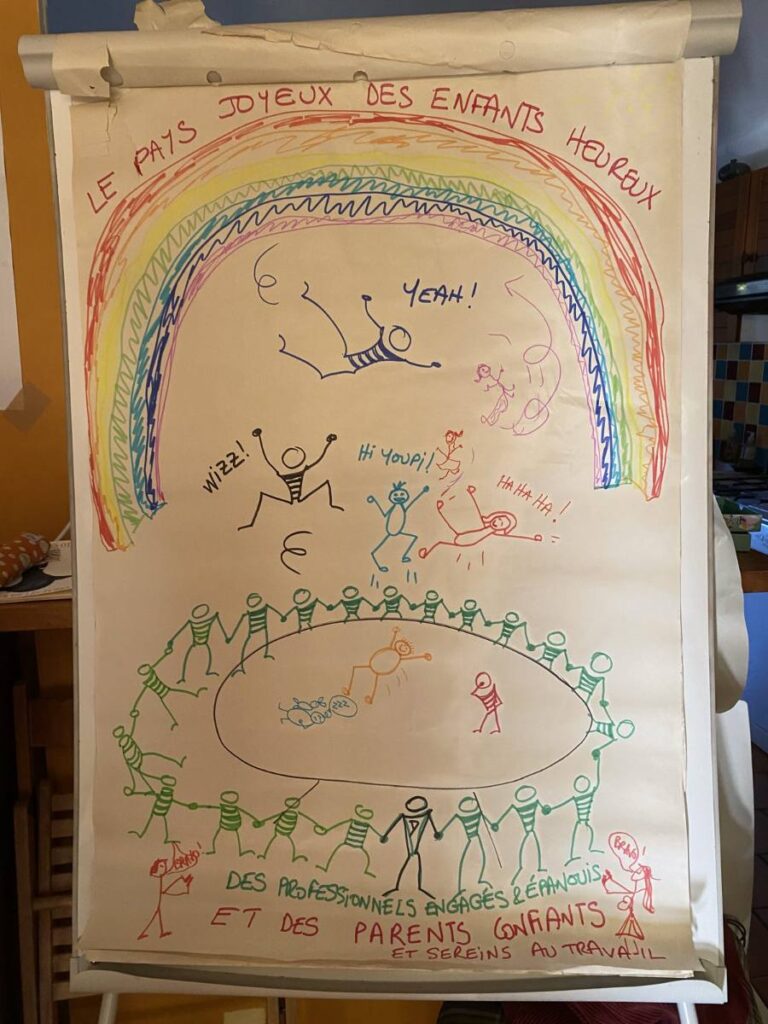
That is why collective formats such as World Café can be powerful.
In this format:
- several groups work on key questions
- ideas circulate between tables
- collective intelligence emerges.
And participants often leave with renewed energy and concrete avenues for action.
Where to start?
If you want to make your organisation’s culture evolve, you can start with three simple questions:
- What are the current cultural markers?
- What culture do we want to develop?
- Which first practices can we experiment with?
Because, at heart, cultural transformation rarely starts with a big programme.
It often starts with a new way of working, somewhere in the organisation.
And if it works…
It spreads.
How I can support you
Based in Montauban, I support leaders, managers and teams who want to change the way they work together: organisational culture diagnosis (cultural soils, Westrum model), collective workshops such as World Café, and coaching for managers and teams so that new practices last over time. I work on site in Montauban, in Toulouse and anywhere in France, or remotely by video call.
For an approach that starts from what already works: Appreciative Inquiry: driving change by building on what works.