


You decide everything, you carry everything, and in the evening you have no one to talk to about the real issues. In an SME, the loneliness of the business leader is not a passing feeling: it is an almost automatic consequence of the role. And it comes at a cost, for you and for your business.
Why SME leaders are alone
- You cannot tell your team everything. A worry about cash flow, a doubt about an employee, a wish to change course: sharing too early risks causing concern.
- Those close to you are not always the right people to talk to. A business partner is too involved, a spouse does not know the context.
- Your advisers see the figures, not the relationships. Your accountant or your banker help you with the financial side, rarely with the human side.
- You are supposed to have the answers. Asking for help can feel like admitting weakness.
What loneliness costs you
- Decisions taken alone and in the heat of the moment, or on the contrary put off indefinitely.
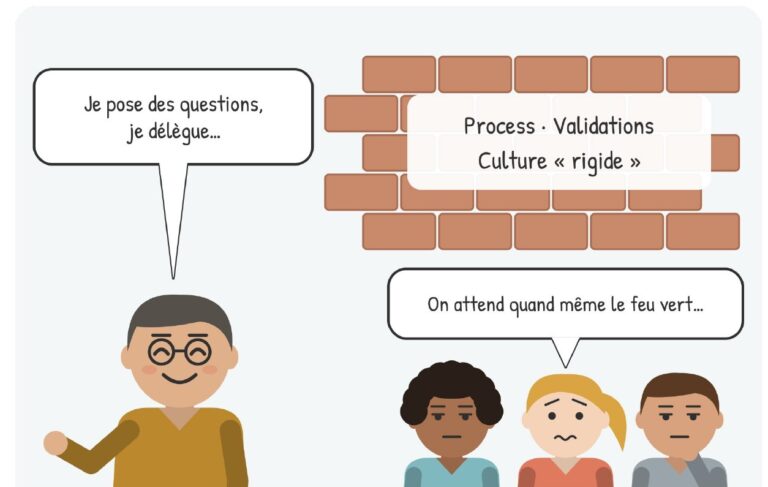
- Everything comes back to you: the team waits, you become overloaded.
- Fatigue, loss of perspective, and the feeling of just keeping the shop running rather than leading it.
Valérie Perrin, manager of the engineering consultancy Reava Ingénierie, sums it up: “David supported me through individual professional coaching. I gained many tools suited to my challenges, delivered with kindness and professionalism.” More testimonials can be read on the page References.
Three ways to break out of it
- Regular time to step back, outside the business. One hour every two weeks to think about what matters, not about what is urgent.
- Peers. Talking with other leaders who are going through the same thing changes your perspective, and reminds you that you are not the only one.
- A coach. Neither an adviser who brings the solution, nor a friend who reassures you: a neutral partner, bound by confidentiality, who helps you clarify your choices and make informed decisions.
Executive coaching in practice
It all starts with a free initial meeting, to check together that coaching is the right answer to your situation. This is followed by 6 to 10 sessions of one hour to one and a half hours. The first is used to define your goal together; the following ones to turn it into concrete actions, on your own issues: a decision to make, a team to develop, a role to redefine. A mid-point review measures your progress, and a final review closes the coaching. The aim is not to make you dependent on support, but more autonomous and more confident in your decisions.
Based in Montauban, I support business leaders and managers on site, anywhere in France, or remotely by video call. To explore the link between leaders and their teams further, also read Manager-coach: 70% of a team’s engagement depends on the manager.
Do you recognise yourself in these lines? Let’s talk about it in an initial, no-obligation conversation: contact me.