
For some years now, agility has been taking a beating. Critics, gurus, sceptics, the disappointed: everyone has an opinion.Agile bashing mixes everything up: the founding principles, the quality of their implementation and the external causes of failures, which often have nothing to do with them. The agile coach profession itself is being called into question, and I too have wondered about the meaning of this job.
Agility has not had its last word
More than twenty years after the 2001 Agile Manifesto, organisations’ real problems remain the same. Agility may change its name, or merge into neighbouring approaches more in tune with the times: DevOps, Product Management, Team Topologies, unFIX… And we have made a lot of progress, thanks to great people and good tools, SAFe included.
But agility will probably never be fully in place in its values, principles and ideal culture, because it remains hard to reconcile with the economic and political logic of most companies. Thierry Cros already asked the question in a famous talk: “Is agility soluble in capitalism?”
That is fine. Agility cannot claim to change the world radically; that was perhaps its youthful mistake. What it does allow is questioning our practices and progressing, step by step, towards an unreachable star: that is the very idea of alearning organisation. My recent assignments prove it to me: agile methods and Lean remain formidable levers for organisations that truly commit the means.
The 14 qualities of a professional agile coach
Professional recognition of the agile coach profession is a long-standing debate that has never really been settled. Here is, in my view, what characterises a professional agile coach.
- They know the history of agility. History sheds light on the present: where do these principles come from, what is their purpose, what results have been verified?
- They master the methods and frameworks. That is the basics.
- They can prove things by example. Experiences, anecdotes, stories: they can demonstrate. And when they do not know, they say so.
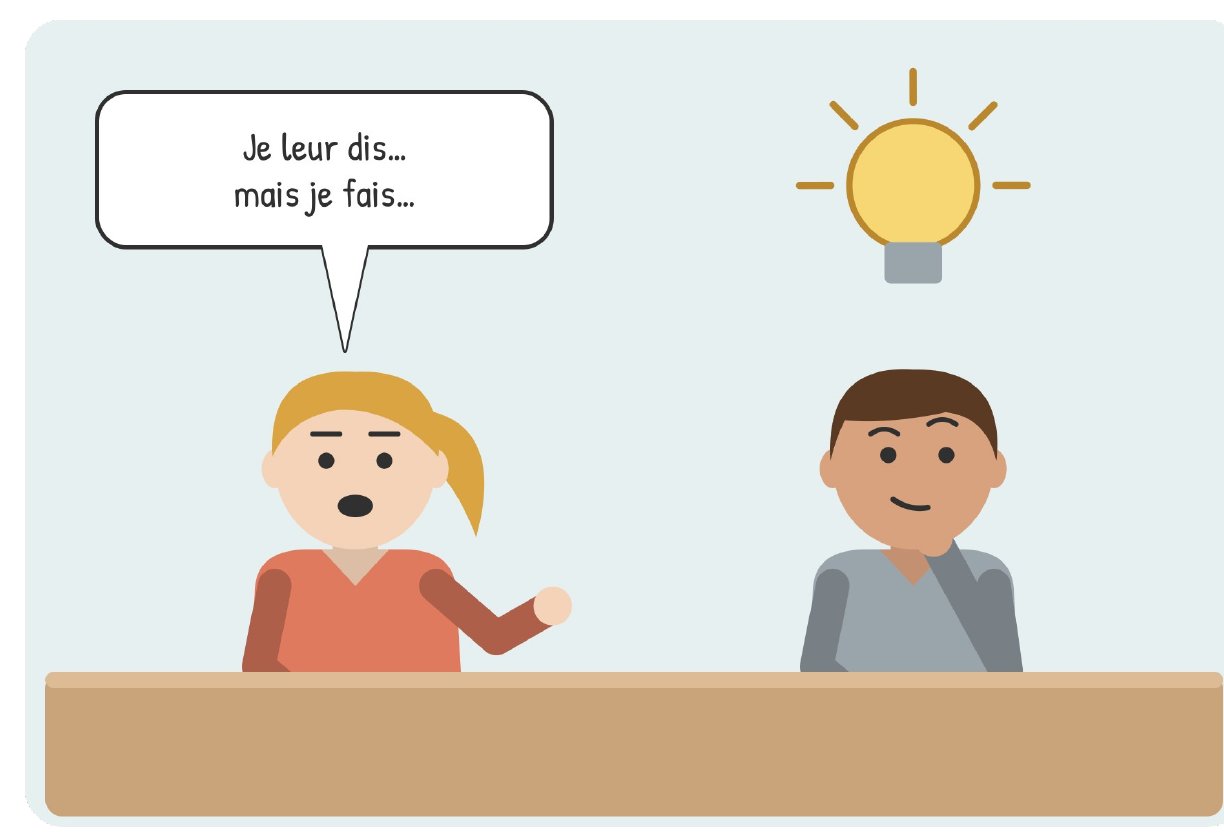
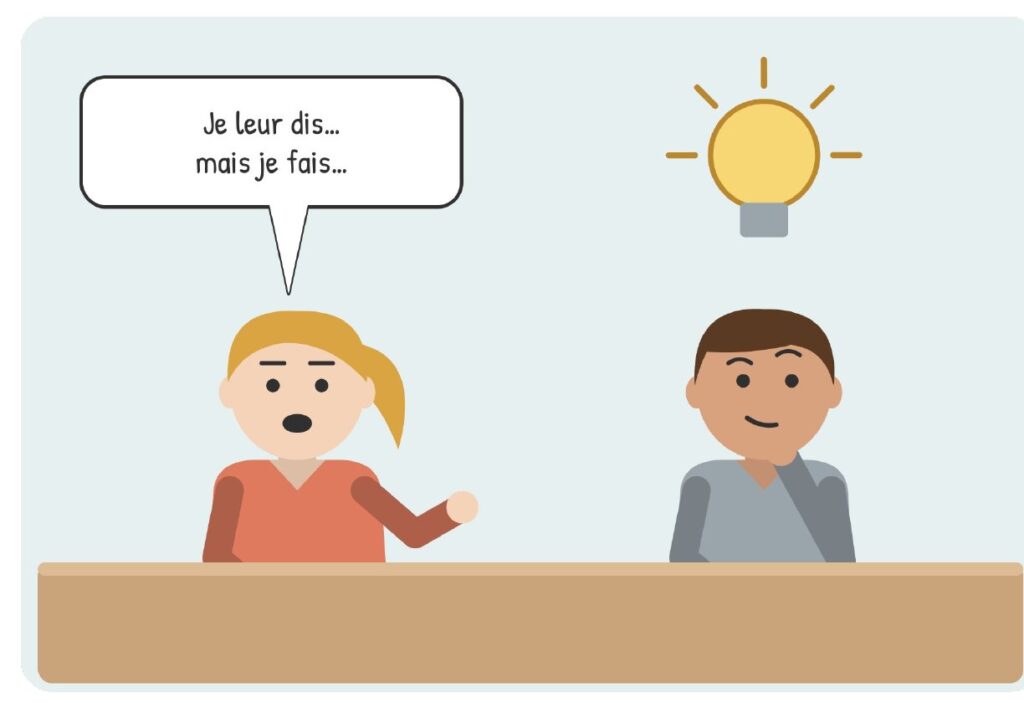
- They lead by example. The way they work shows that they apply the principles they teach. The shoemaker’s children are sometimes the worst shod…
- They master the stance of a professional coach, ideally certified and supervised. That is what helps clients find their own solutions.
- They master group facilitation. They can very quickly choose the right workshop for the right situation, improvise, react and dare.
- They know how to deal with company politics. They ally themselves with the system’s balance, do not judge and seek to understand each stakeholder’s view of the world.
- They have the courage to say no. An off-topic request, such as a detailed report on individuals’ behaviour, should be refused, even at the cost of losing an assignment.
- They stay within their area of legitimacy. If you have never been a developer, you do not lecture people on TDD, even if you can explain why it matters.
- They can switch from the coach’s stance to the consultant’s. Never advising leaves the client without a solution; always imposing your own truth prevents them from becoming autonomous.
- They keep up to date, without forgetting for themselves the sustainable pace they advocate.
- They exchange with their peers, at conferences or in communities: “We are uncovering better ways of doing things… by doing it and helping others do it.”
- They are humble. The client is the only one who can produce their solution; the coach helps them progress, without lecturing them.
- They are passionate without being dogmatic, and respect other schools of thought, even when these do not seem “agile” to them.
Agile coach and professional coach: two complementary professions
To me, the fifth quality is decisive. An agile coach who only masters methods quickly becomes just another consultant. The stance of a professional coach, made of listening, questioning and trust in the client’s resources, is what makes change last. That is why I chose to become a certified professional coach, on top of twenty years of supporting agile transformations.
To go further on supporting change: how to make organisational culture evolve during a transformation.
How I can support you
Based in Montauban, I support leaders, managers and teams through professional coaching and Lean-Agile consulting, on site in Montauban, in Toulouse and anywhere in France, or remotely by video call.
Contact me for a free assessment
And you: what qualities do you expect from an agile coach?